Average Calculator: How to Calculate the Arithmetic Mean with Practical Examples
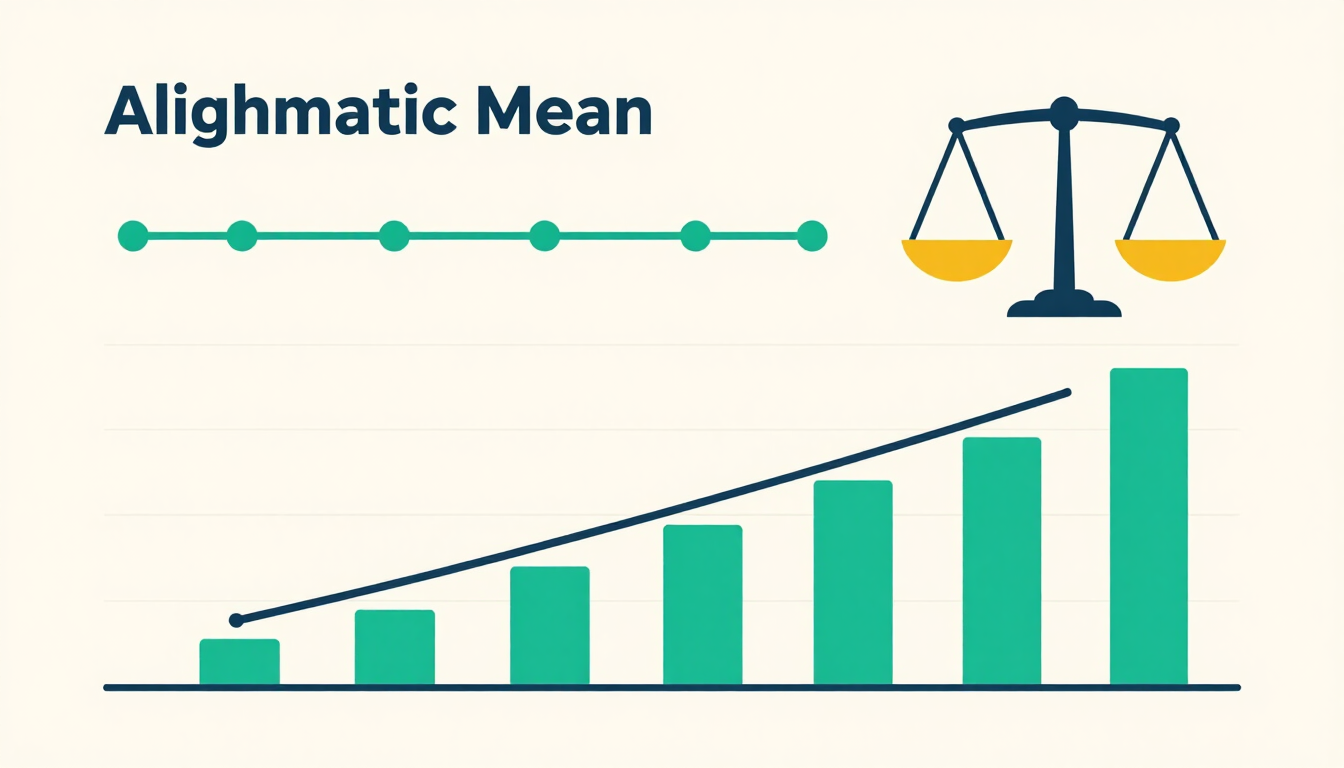
The arithmetic mean is the most common measure of central tendency. This guide explains the mean, median and mode with examples. Try the average calculator.
Arithmetic mean
Sum ÷ count. E.g. 10, 20, 30, 40 → 100 ÷ 4 = 25.
Median
The middle value after sorting. For 10, 20, 30, 40 (even count), median = (20+30) ÷ 2 = 25.
Mode
The most frequent value. In 3, 5, 5, 7, the mode is 5.
When to use each
- Mean: for symmetric data without outliers.
- Median: for skewed data or with outliers.
- Mode: for categorical data.
Frequently Asked Questions
What is the arithmetic mean?
The sum of values divided by their count. E.g. the mean of 10, 20, 30 = 60 ÷ 3 = 20.
What is the median?
The middle value after sorting. For an even count, it is the average of the two middle values.
What is the mode?
The most frequently occurring value in a data set.
When is the median better than the mean?
When the data has extreme outliers, the median is less affected and often more representative.
Related Calculators
Subscribe for new calculators & articles
We send you new calculators and articles as they arrive — no spam, and you can unsubscribe anytime.